
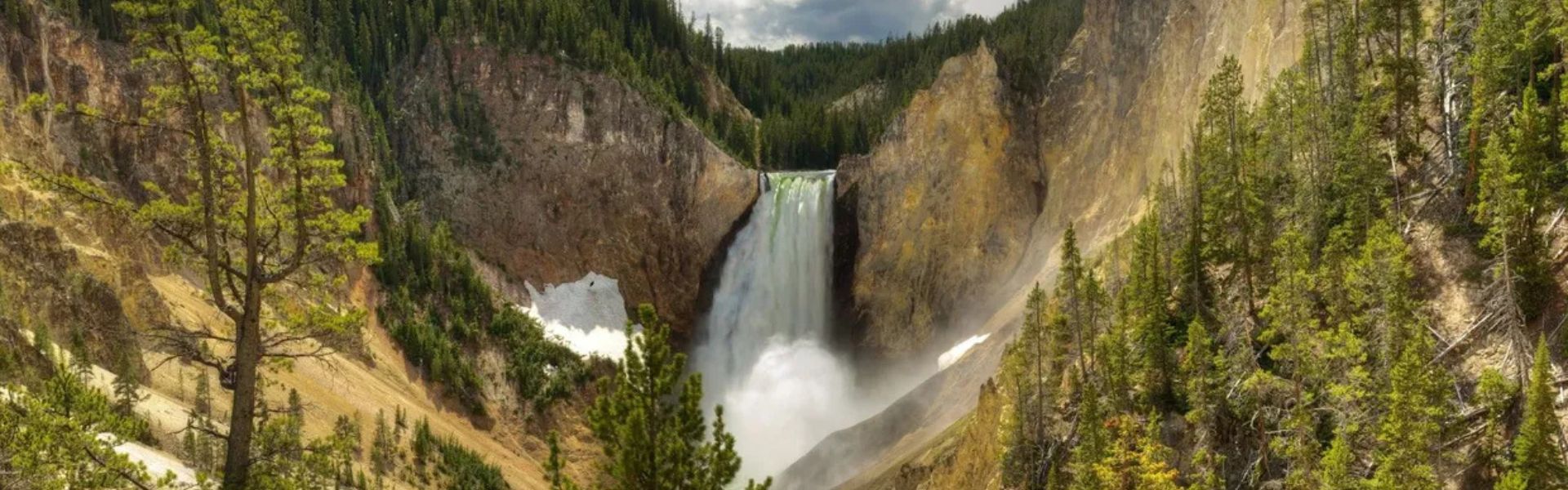
Packing for Yellowstone means preparing for changing weather, outdoor adventures, and long days exploring the park. Even during summer, temperatures can shift quickly, and rain or snow is possible throughout the year. The National Park Service recommends bringing layers, rain gear, and a warm jacket regardless of the season.
Families staying in our Yellowstone vacation rentals can pack more comfortably by planning around the season. Use this guide to decide what clothing, footwear, and outdoor essentials belong in your suitcase.
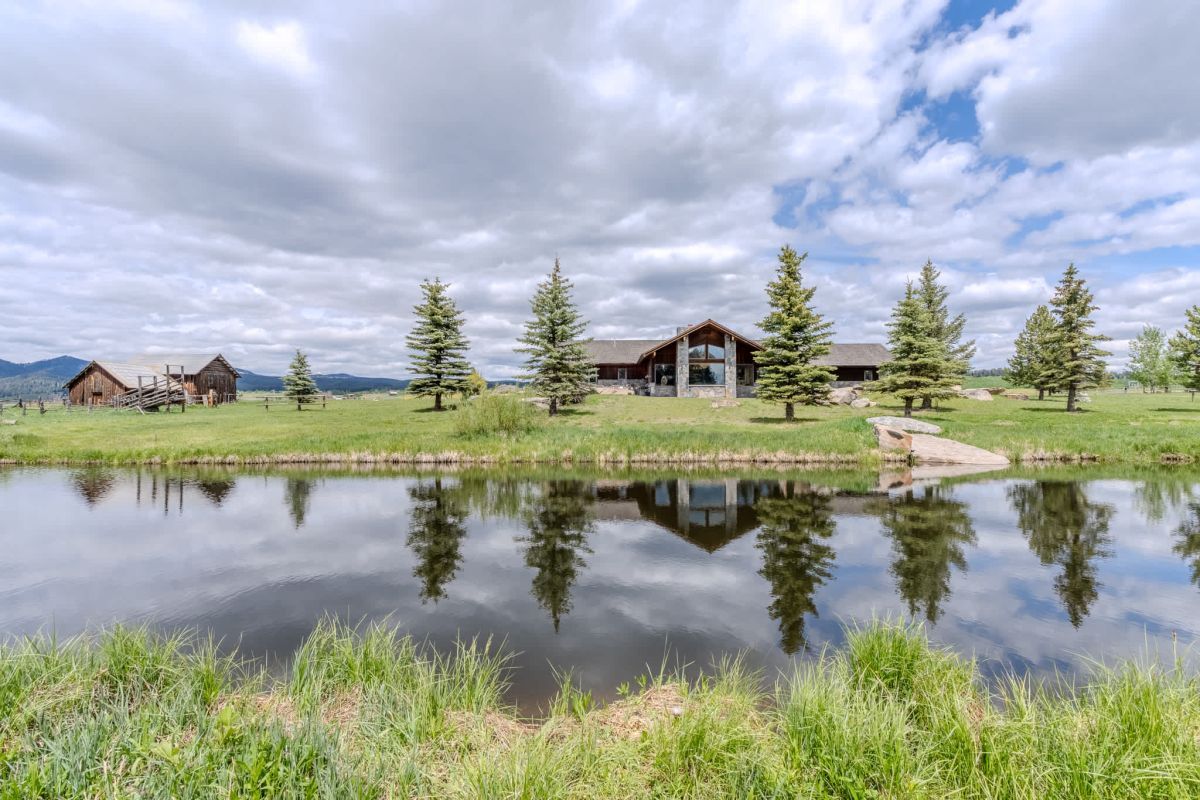
What Should You Pack for a Summer Yellowstone Vacation?
Lightweight Layers and Rain Gear
Summer days are often mild, but nights can be cold, especially at higher elevations. Afternoon thunderstorms are also common. Pack moisture-wicking shirts, lightweight pants, a fleece or warm jacket, and a waterproof rain shell.
Bring extra socks and a dry layer for children. Having fresh clothing in your daypack can make a big difference after an unexpected rain shower.
Sun Protection and Hiking Essentials
Pack sunscreen, sunglasses, sun hats, insect repellent, and sturdy hiking shoes. A small first-aid kit, trail snacks, reusable water bottles, and offline maps are also smart additions.
If your family plans to spend full days in the park, choose a comfortable daypack with enough room for water, food, rain gear, and extra layers.
What Should You Pack for Yellowstone in the Fall?
Warm Layers and Cold-Weather Accessories
Fall temperatures can range from the 30s to the 60s during the day, while overnight temperatures can fall into the teens or single digits. Snow is also common.
Pack fleece jackets, insulated outerwear, warm hats, gloves, long pants, and moisture-wicking base layers. Guests staying in West Yellowstone vacation rentals should also bring warmer clothing for early mornings and evenings around town.
Gear for Changing Weather Conditions
A waterproof jacket and sturdy shoes are essential. Keep extra socks, gloves, and layers in your vehicle or daypack so your family can adjust as conditions change.
Check the park forecast before leaving each morning instead of relying only on the forecast from earlier in your trip.
What Should You Pack for a Winter Yellowstone Vacation?
Insulated Clothing and Snow Gear
Winter requires serious cold-weather clothing. Pack wool or synthetic base layers, insulated jackets, snow pants, warm hats, gloves or mittens, and wool socks. A windproof outer layer provides additional protection.
Avoid relying on cotton for outdoor activities because it does not provide effective insulation when wet.
Winter Boots and Traction Gear
Bring waterproof, insulated winter boots with good tread. The National Park Service also recommends traction aids for snowy and icy boardwalks. Gaiters can help keep snow away from your socks and lower legs.
What Should You Pack for Yellowstone in the Spring?
Waterproof Layers and Warm Clothing
Spring can feel like several seasons in one trip. Snow remains common, and many Yellowstone trails retain snow into late May or early June.
Pack a waterproof jacket, warm fleece, moisture-wicking base layers, gloves, and a hat. Keep an extra warm layer in your vehicle for sudden temperature drops.
Footwear for Snow, Mud, and Rain
Waterproof hiking boots are a practical choice for spring. Pack extra socks and consider gaiters for trails with lingering snow or wet conditions.
What Should You Pack in Every Season?
Binoculars, Reusable Water Bottles, and Daypacks
Binoculars allow your family to watch wildlife without getting too close. Pack reusable water bottles, snacks, a first-aid kit, offline navigation tools, and a comfortable daypack.
These basics are useful for families staying in West Yellowstone vacation homes and heading into the park for day trips.
Bear Spray and Other Safety Essentials
Yellowstone is bear country. Carry EPA-approved bear spray where it can be reached quickly, know how to use it, and never store it inside your backpack while hiking. Bear spray cannot be taken on airplanes, so travelers flying to the area should plan to buy or rent it once they arrive. Many shops in West Yellowstone sell bear spray outright or offer rental options, which can be a convenient, lower-cost choice for a single trip.
Also bring a first-aid kit, flashlight or headlamp, map, emergency supplies, and enough food and water for your planned activities.
Final Thoughts
The ultimate Yellowstone packing list comes down to layers, weather protection, sturdy footwear, hydration, and safety gear. Pack for conditions that can change quickly, even if the forecast looks clear when your trip begins.
Once your bags are ready, the next step is finding a comfortable home base where your family can relax between Yellowstone adventures, and knowing where to refuel matters just as much as where you sleep. Check out these places to eat in West Yellowstone for easy dinner options after a long day in the park.
Book Your West Yellowstone Vacation Rental with Roam Property Management
Make West Yellowstone your home base for exploring geysers, wildlife, hiking trails, and unforgettable scenery. Roam Property Management offers vacation homes where families can settle in, recharge, and prepare for another day in Yellowstone. Browse our vacation rentals and start planning your family trip to Yellowstone.