
By Roam Property Management | West Yellowstone, MT | Your Local Yellowstone Experts
Spring in West Yellowstone, Montana is a well-kept secret — and we’re about to give it away.
While the rest of the country is still booking summer vacations and bracing for the July crowds at Yellowstone National Park, the travelers who know this area best are quietly locking in their April and May dates. They’ve discovered what we’ve known all along: spring is when West Yellowstone and the Yellowstone West Entrance truly come alive, and when the experience of visiting one of America’s greatest national parks is at its most raw, intimate, and genuinely unforgettable.
From the moment the park roads begin reopening in mid-April through the golden warmth of late May and early June, the West Entrance corridor offers a combination of experiences you simply cannot get any other time of year. Wildlife emerging from winter. Waterfalls thundering with snowmelt. Wildflowers pushing through the valley floors. And almost no one around to compete with for the best views.
Whether you’re planning your first trip to Yellowstone or your fifteenth, this guide covers the 17 best things to do in West Yellowstone and the Yellowstone West Entrance in spring — straight from the people who live here year-round.
West Yellowstone Spring — Quick Facts
Location: West Yellowstone, MT 59758 — West Entrance to Yellowstone NP
April Temps: Highs 40–55°F / Lows 20–30°F — pack warm layers
May Temps: Highs 55–65°F / Lows 30–40°F — comfortable hiking weather
Wildlife Peak: Late April through June — calving season, bear emergence, birds
Waterfall Peak: May–early June (peak snowmelt flow)
West Entrance Open: Mid-April (varies by year — check nps.gov/yell)
Fishing Season Opens: Memorial Day Weekend (late May) — Madison River
Crowds: Low to moderate — far below summer peaks
Inside Yellowstone National Park: West Entrance Spring Highlights
The West Entrance to Yellowstone National Park sits right at the edge of West Yellowstone — you’re literally only a few miles from the gate when you stay in a vacation rental here. As roads reopen through April and May, more of the park becomes accessible each week. Here’s what to prioritize:
1. Watch the Bison Calves in the Madison Valley
The drive from the West Entrance to Madison Junction — roughly 14 miles along the Madison River — is one of the best wildlife corridors in the entire park, and in spring it becomes a maternity ward. Bison calves, nicknamed ‘red dogs’ for their bright rust-orange color, begin arriving in late April and are absolutely everywhere by mid-May.
Pull over anywhere along this road at dawn or dusk, cut the engine, and watch. Calves nurse, stumble, play, and stay close to their mothers while massive bulls stand guard nearby. It’s a scene that stops even the most seasoned Yellowstone visitors in their tracks.
📸 Photography Tip: The best light for bison calf photography in the Madison Valley is the first hour after sunrise. The valley mist, soft golden light, and orange calves against green spring grass create images that look like they belong in National Geographic.
2. Spot Bears Emerging from Hibernation
Spring is arguably the single best season for bear viewing in Yellowstone, and the West Entrance corridor puts you in prime territory. Grizzly bears and black bears emerge from their dens in April and May — hungry, highly active, and spending long hours foraging in the lower meadows and hillsides that are visible from the road.
The area around Mount Washburn, Hayden Valley (accessible once the road opens), and the slopes along the Madison and Gibbon Rivers are classic spring bear habitat. Bring 10x binoculars or a spotting scope — and always maintain the required 100-yard distance.
3. Old Faithful and the Upper Geyser Basin
Old Faithful erupts approximately every 90 minutes, year-round, regardless of season. But visiting in spring means you experience it the way it was meant to be seen — without 2,000 people pressed against the viewing barrier. In May, you can often walk straight to the front of the viewing area, set up your camera, and watch the world’s most famous geyser perform in relative peace.
The surrounding Upper Geyser Basin boardwalk, with its concentration of geysers, hot springs, and thermal pools, is equally spectacular in spring. Morning visits offer ground-level mist and steam that winter tourists see on snowcoach tours and summer visitors rarely experience.
⏰ Timing Tip: Old Faithful eruption prediction times are posted at the visitor center and on the NPS app. Arrive 15–20 minutes early in spring — you’ll have no trouble getting a front-row spot without the summer crowd scramble.
4. Grand Prismatic Spring — Without the Summer Crowd
Grand Prismatic Spring is Yellowstone’s most photographed feature and the third-largest hot spring in the world. The vivid rainbow rings — brilliant orange, yellow, and green created by heat-loving microbial mats — are most vibrant and deeply colored in cooler temperatures. That means spring visits offer better color saturation than summer.
The Fairy Falls trailhead provides access to the Grand Prismatic overlook — a short 1.6-mile hike that gives you the sweeping aerial view you’ve seen in every Yellowstone documentary. In summer, this trail is packed. In May, you may have the overlook nearly to yourself.
5. Chase the Waterfalls at Peak Flow
Yellowstone’s waterfalls are dramatic in any season, but nothing compares to the thundering volume of May snowmelt. These are not to be missed:
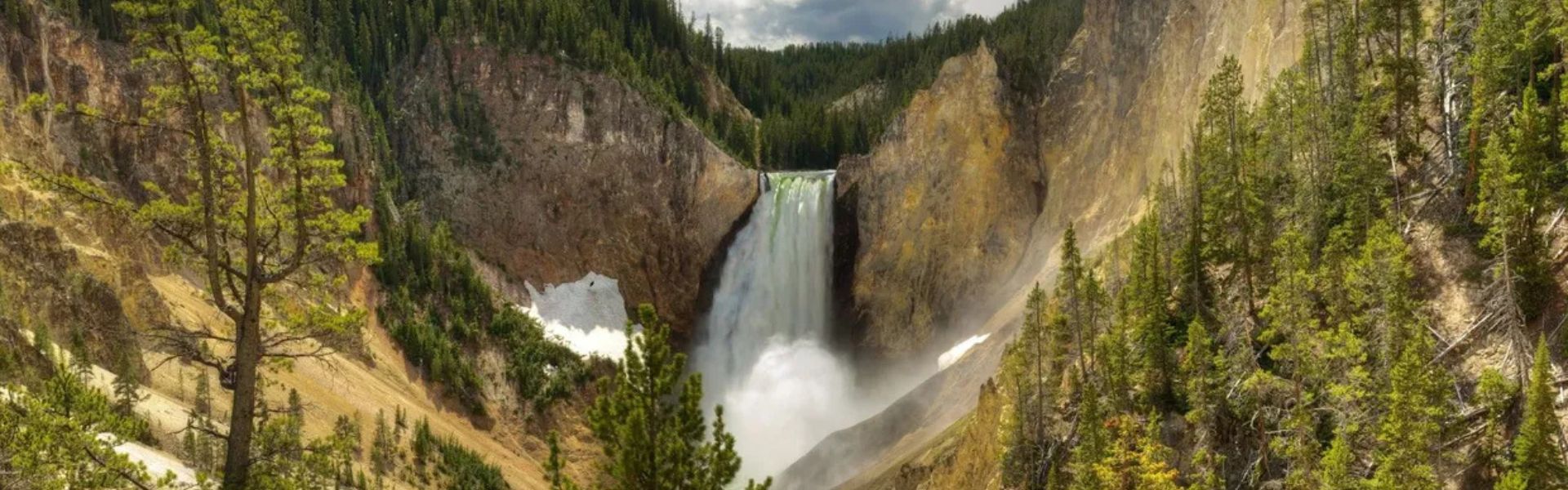
- Lower Falls of the Yellowstone River: At 308 feet — nearly twice Niagara’s height — the Lower Falls reaches peak flow in May. The Artist Point viewpoint overlooks the full spectacle of water, yellow canyon walls, and rainbow mist. Absolutely jaw-dropping.
- Fairy Falls: A 200-foot curtain-style waterfall accessed via a gentle 5-mile round-trip hike. Combines beautifully with the Grand Prismatic overlook for a full morning adventure.
- Gibbon Falls: Just 25 miles from the West Entrance, Gibbon Falls is visible directly from the road — a dramatic 84-foot cascade that’s easily one of the most accessible waterfalls in the park.
- Undine Falls: Near Tower Junction (accessible once the road opens), this three-tiered, 60-foot waterfall is spectacular in spring and significantly less visited than the major falls.
6. Drive the Madison River Corridor for Wolf and Otter Sightings
The Madison River runs cold, clear, and full of life in spring. Beyond the bison herds that graze its banks, this corridor is one of the most reliable spots in the park for North American river otters — watch for them near the riverbanks at dawn and dusk. Wolf sightings have also been reported in this area when packs move south from the interior.
This is also the stretch of river where serious fly fishermen plan their late-May return every single year — the Madison is one of the most famous trout fisheries in North America, and the spring opener draws anglers from across the country.
In Town: Things to Do in West Yellowstone in Spring
West Yellowstone itself offers a full range of activities beyond the park — and in spring the town feels alive and welcoming without the tourist-season intensity of July and August.
7. Fly Fish the Madison River
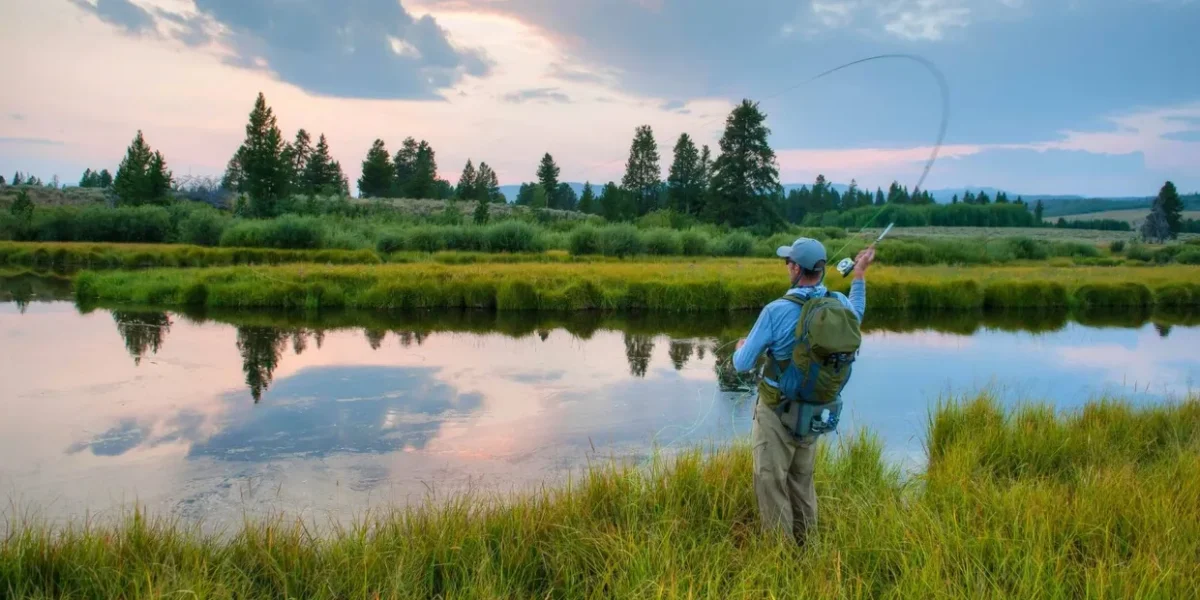
The Madison River flows directly through West Yellowstone before entering the park, and the stretch from Hebgen Lake down through town is open for fishing year-round (with a Montana fishing license). Once Memorial Day weekend arrives, the famous Blue Ribbon waters inside the park open as well — drawing elite fly fishermen who consider this one of the finest brown and rainbow trout fisheries in the world.
Guided half-day and full-day fly fishing trips are available through several local West Yellowstone outfitters. Even if you’ve never fly fished before, spring is an ideal time to learn — flows are strong, fish are active, and the setting along a spring-green Montana river valley is difficult to match.
🎣 Fishing License Info: A Montana fishing license is required for the Madison River outside the park. Purchase online at fwp.mt.gov before your trip. A separate Yellowstone National Park fishing permit is required for waters inside the park — available at entrance stations.
8. Visit the Grizzly & Wolf Discovery Center
One of the most underrated attractions in West Yellowstone — and one that’s genuinely excellent year-round — the Grizzly & Wolf Discovery Center is a non-profit wildlife sanctuary housing grizzly bears and gray wolves that cannot survive in the wild. Spring is a particularly active time to visit, as the animals are energetic after winter and the center often has enrichment programs and keeper talks running.
Budget 90 minutes to two hours. It’s especially worthwhile for families with children who want a guaranteed close-up wildlife experience before or after their Yellowstone park days.
9. Explore Hebgen Lake
Eight miles northwest of West Yellowstone on US-287, Hebgen Lake is a beautiful high-elevation reservoir that comes to life in spring. The lake opens for boating and fishing as ice-out occurs — typically in late April or early May. Kayaking, paddleboarding, and bank fishing for rainbow trout are all popular spring activities.
The shoreline and surrounding forest are exceptional for wildlife watching: moose are commonly spotted in the marshy areas near the inlet, bald eagles and osprey return to the lake in spring, and the surrounding meadows begin greening up in late April.
10. Hike Gallatin National Forest Trails
The Gallatin National Forest surrounds West Yellowstone on three sides, and while higher elevation trails may still carry snow in early spring, lower trails begin opening in April. This is important for pet owners — dogs are not permitted on most Yellowstone National Park trails, but the Gallatin National Forest offers hundreds of miles of dog-friendly hiking.
- Riverside Trail: A gentle trail along the Madison River on the edge of town — perfect for an early morning walk with wildlife viewing potential.
- Purple Mountain Trail: A moderate 6-mile out-and-back with panoramic views over West Yellowstone and the surrounding caldera landscape. Typically accessible by mid-May.
- Baker’s Hole: A flat, easy walk along the Madison River just north of town — excellent for birding and wildflower viewing in spring.
11. Mountain Bike the Forest Roads
As snow melts from the lower-elevation forest roads around West Yellowstone in April and May, mountain biking becomes one of the best ways to cover ground and spot wildlife. The flat and rolling terrain around town is beginner-friendly, while more technical singletrack opens up in the surrounding hills through May. Several local shops offer bike rentals.
12. Go Horseback Riding
Local outfitters begin offering guided horseback trail rides through Gallatin National Forest from late May onward. A guided ride through spring-green forest trails with mountain views is one of the most authentically Western experiences available in the West Yellowstone area — and a particular hit with families.
13. Watch for Sandhill Cranes and Trumpeter Swans
Spring migration brings some of Yellowstone’s most spectacular birdlife back to the wetlands and river corridors around West Yellowstone. Sandhill cranes, trumpeter swans, American white pelicans, and multiple raptor species return in April and May. The wetland areas near Hebgen Lake and along the Madison River are the best local spots. Bring binoculars.
14. Attend a Ranger-Led Program
The National Park Service begins its spring ranger-led program schedule as roads reopen. Free ranger walks and talks at Old Faithful, Madison, and Norris cover geology, thermal features, and wildlife in depth — a genuinely excellent addition to any Yellowstone visit, and far less crowded than the same programs offered in July.
15. Tour the Yellowstone Historic Center Museum
Housed in West Yellowstone’s beautifully restored 1909 Union Pacific Railroad depot, the Yellowstone Historic Center tells the story of the park’s history through artifacts, photographs, and exhibits. Spring hours are more relaxed than summer — you can take your time and genuinely engage with the history of one of America’s most iconic places. Allow 60–90 minutes.
16. Dine Like a Local
West Yellowstone’s restaurant scene fully reopens for the spring season, and the dining is far better than a small Montana mountain town has any right to offer. Spring favorites worth your time:
- Running Bear Pancake House: A West Yellowstone institution. The breakfast line in summer stretches out the door — in spring, you walk right in. Order the huckleberry pancakes. No debate.
- Wild West Pizzeria & Saloon: Wood-fired pizza, local Montana craft beers, and a lively atmosphere that feels genuinely Western without being a tourist caricature. Perfect for a casual group dinner after a long park day.
- The Buffalo Bar: The go-to West Yellowstone hangout for a hearty meal after a long day in the park. Order the bison burger or the Old Faithful pot roast sandwich, grab one of the 12 Montana beers on tap, and settle into the rustic Western atmosphere. Dog-friendly outdoor patio, live music on weekends, and a welcoming vibe that works for families and solo travelers alike.
17. Simply Slow Down and Watch the World Wake Up
This one doesn’t have a trailhead or a reservation system. One of the most extraordinary things about West Yellowstone in spring is the sensation of watching a landscape emerge from winter in real time. Sit on your cabin deck with a coffee at 6 AM and listen. Watch a bison graze in the meadow across the road. Count the stars the night before the clouds roll in. Notice the aspens going from bare gray to the faintest green haze over the course of a week.
It’s the kind of thing that gets lost in the shuffle of a peak-season trip — and it’s freely available to anyone who shows up in spring and pays attention.
Plan Your Spring West Yellowstone Trip with Roam
West Yellowstone in spring is best experienced from a vacation rental — a real home base with a full kitchen for packing park lunches, a private deck for morning coffee and evening decompression, and the space your group needs after long days on the trail and behind the wheel.
Roam Property Management offers a hand-selected collection of cabins, homes, and condos right here in West Yellowstone, MT — all locally managed by people who live here and know this place intimately. We’ll tell you exactly when the bears are moving, which road just opened, and where to be at sunrise.
- Pet-friendly properties available — bring the whole family
- Properties sleeping 2 to 12+ guests
- Hot tubs, fire pits, full kitchens, and mountain views
- 24/7 local guest support — real people, not a call center
- Spring rates significantly lower than peak summer pricing
Spring availability fills faster than people expect. The guests who book early get the best properties. Browse availability now and lock in your West Yellowstone spring trip before the secret gets out completely.
Browse Spring Vacation Rentals: www.roampropertymanagement.com/vacation-rentals
Questions? Contact our local team: www.roampropertymanagement.com/contact
Roam Property Management | West Yellowstone, MT | roampropertymanagement.com